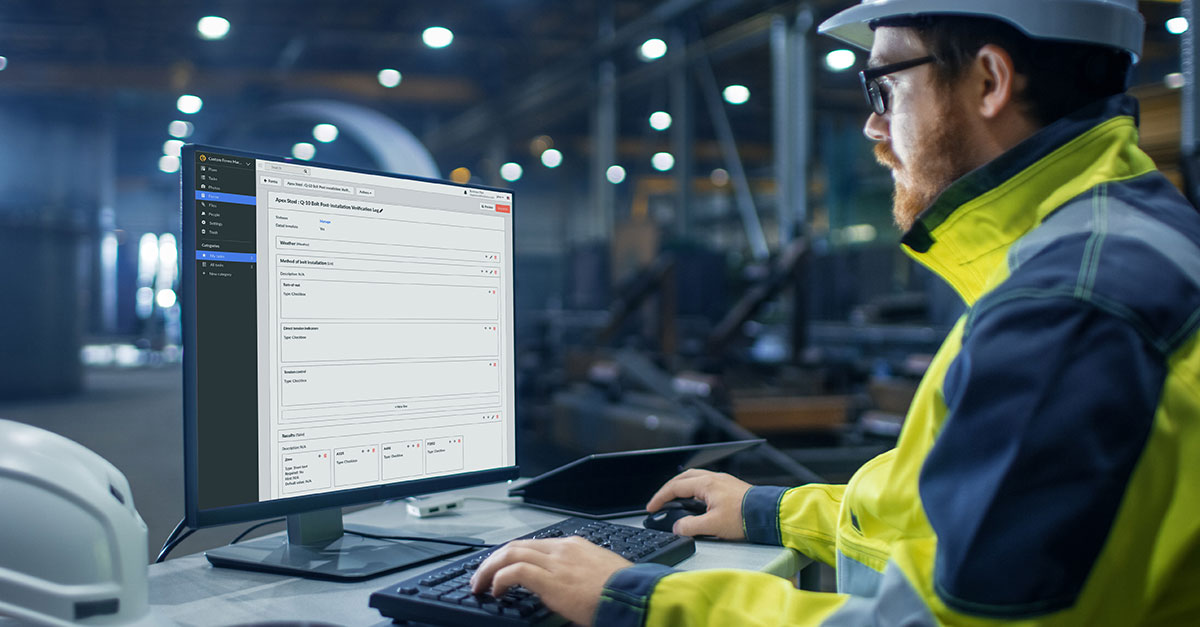
Accurately estimating construction project costs is one of the most critical steps for ensuring profitability and avoiding overruns. Yet, the process of cost estimation has traditionally been fraught with inefficiencies and human errors. Enter construction estimating software —a powerful solution designed to automate and streamline this crucial task.
Whether you’re a contractor, project manager, or business owner in the construction industry, this trending technology offers undeniable benefits. Not only does it help optimize budgets and improve accuracy, but it also provides detailed data insights to make smarter decisions. This blog explores how construction estimating software is revolutionizing project costs and enhancing efficiency across the board.
The Role of Construction Estimating Software in Today’s Projects
Construction estimating software is a digital tool that automates the process of calculating project costs, including materials, labor, equipment, and other related expenses. Unlike manual methods such as spreadsheets, which are prone to errors, this software integrates advanced algorithms and up-to-date databases to generate precise estimates.
The use of construction estimating software has surged in recent years. According to a report from Research and Markets, the global construction estimating software market is projected to exceed $2 billion by 2027, growing at a compound annual growth rate (CAGR) of 6.2%. The reasons are clear—it’s all about precision, efficiency, and the ability to deliver cost-effective construction projects.
Key Benefits of Construction Estimating Software
- Improved Accuracy in Cost Estimation
Manual calculations are inherently error-prone, whether due to human oversight or outdated data. Errors in estimates can lead to underbidding, overbidding, or project cost overruns—all of which can hurt profit margins. Construction estimating software minimizes the risk of such errors by automating calculations.
For instance, the software can pull data from updated pricing lists for materials, labor rates, and regional cost variations, ensuring your estimates are based on the most current figures. Better accuracy not only builds trust with clients but also ensures that your projects remain profitable.
- Time Efficiency and Productivity
Gone are the days when generating an estimate required hours—or even days—of manual calculations. With construction estimating software, estimates can be generated in a fraction of the time. By automating repetitive tasks, the software frees up valuable time for project managers and estimators to focus on higher-priority work, like client communication or vendor negotiations.
Research shows that companies using construction estimating software report a 50% reduction in the time spent preparing estimates, according to a study by McKinsey & Company. That’s time and effort saved that can directly impact project timelines and overall productivity.
- Ease of Collaboration and Communication
Construction projects involve multiple stakeholders, from contractors and subcontractors to clients and suppliers. Clear communication between these groups is critical to prevent misunderstandings and project delays. Most construction estimating software platforms come with collaboration features that allow multiple parties to access, edit, or review project estimates in real time.
For example, you can share an editable estimate with your contractor team while keeping your client in the loop with a simplified summary report. This seamless communication ensures everyone stays aligned and minimizes back-and-forth confusion.
- Customizable Templates for Repeated Projects
Certain construction projects, such as residential homes or office spaces, often involve similar scopes of work with only minor variations. Modern estimating software offers customizable templates to streamline cost estimates for such repeated projects.
By saving and reusing templates, you can drastically cut down the time required for project-specific adjustments while maintaining consistency in your reporting format. This feature is especially valuable for construction firms that handle high volumes of standardized projects.
- Integration with Other Tools
One of the most overlooked benefits of construction estimating software is its ability to integrate with other key tools, such as project management software, accounting systems, and CRM platforms.
For example, syncing your estimating software with your accounting software can automatically track project expenses and compare them to your original estimates. Similarly, integrating with project management tools ensures that estimates seamlessly feed into scheduling and resource allocation. These integrations create a cohesive system for managing every aspect of your project.
- Real-Time Data and Reports
The construction industry thrives on data. From understanding material availability to tracking labor costs, having access to real-time data is essential for decision-making. Construction estimating software provides detailed reports and analytics at the click of a button.
These reports often include breakdowns of cost categories, profit margins, and project timelines, allowing contractors to identify inefficiencies or areas for cost savings. Some platforms also provide forecasting capabilities, enabling you to anticipate potential challenges and take proactive measures.
- Minimized Risk of Cost Overruns
Cost overruns are a common challenge in the construction industry, with studies showing that over 85% of projects exceed their original budgets. Construction estimating software significantly reduces this risk by offering greater transparency and control over costs.
Features such as cost tracking, early warning systems, and predictive analytics allow you to monitor budgets in real-time and adjust your plans as needed. The result? Projects that are more likely to stay on time and within budget.
- Enhanced Scalability
Whether you’re overseeing a small residential project or managing a large-scale commercial development, construction estimating software can scale to meet your needs. Advanced platforms are equipped to handle multi-phase projects with complex variables, ensuring you can manage aspects like escalating material costs or extensive subcontractor coordination.
This scalability ensures that the software grows alongside your business, adapting to more significant and diverse projects over time.
The Future of Construction Estimating Software
With advancements in artificial intelligence (AI) and machine learning, the future of construction estimating software looks promising. Emerging features include predictive modeling, which uses historical data to suggest optimal pricing strategies, and augmented reality (AR) integration, allowing clients to visualize project estimates in 3D.
Adopting these innovations will be crucial for construction firms looking to maintain their competitive edge in an increasingly digitized industry.
Final Thoughts
Construction estimating software is not just a tool—it’s a game-changer for businesses aiming to streamline costs, boost efficiency, and deliver exceptional results. From improving accuracy and minimizing risks to promoting collaboration and scalability, this technology offers unparalleled benefits for today’s construction professionals.
If you’re in the construction industry, now is the time to explore how these tools can revolutionize your workflow. Investing in construction estimating software is not just about staying ahead of the competition—it’s about setting a new standard for excellence in your projects.