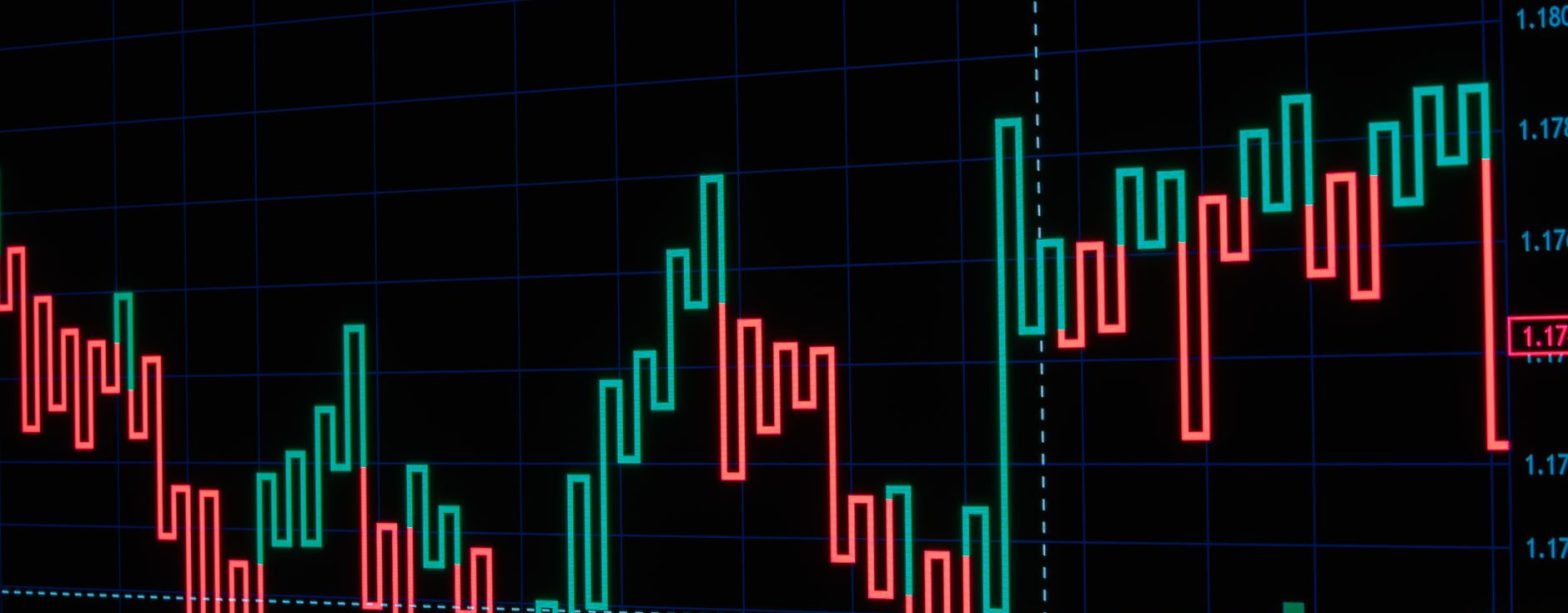
The forex market, also known as the foreign exchange market, is the largest and most liquid financial market in the world. It operates 24 hours a day, five days a week, and facilitates the exchange of global currencies. With a daily trading volume exceeding trillions of dollars, it provides unmatched liquidity and countless opportunities for active traders. Its decentralized and dynamic nature attracts individuals, institutions, and businesses looking to capitalize on currency movements and hedge against risks.
Understanding the Forex Market
The forex market revolves around the buying and selling of currency pairs. Each pair consists of a base currency and a quote currency. The exchange rate indicates how much of the quote currency is needed to purchase one unit of the base currency. For example, in the pair EUR/USD, if the rate is 1.10, it means one euro equals 1.10 US dollars.
Currencies are traded in pairs because the value of one currency is always measured against another. Major pairs like EUR/USD, GBP/USD, and USD/JPY are the most frequently traded, while minor and exotic pairs offer additional opportunities.
High Liquidity in the Forex Market
Liquidity refers to how easily an asset can be bought or sold without affecting its price. The forex market’s enormous daily trading volume ensures high liquidity, making it easy for traders to enter or exit positions quickly.
This liquidity brings several advantages:
- Tighter Spreads: High liquidity results in lower transaction costs, as bid-ask spreads are narrower.
- Minimal Price Manipulation: The sheer size of the market makes it difficult for any single participant to influence prices significantly.
- Faster Execution: Orders are filled quickly, ensuring traders can capitalize on short-term opportunities.
For active traders, these conditions are ideal, allowing strategies to be executed efficiently in a dynamic environment.
Accessibility and Flexibility
Another defining feature of the forex market is its accessibility. Unlike stock exchanges with fixed hours, forex trading is open 24 hours a day, from Monday to Friday. This is possible because trading sessions overlap across different regions: Asia, Europe, and North America.
This round-the-clock availability means traders can participate at times that suit their schedules. Whether early morning, late evening, or during lunch breaks, the market is always open somewhere. This flexibility is especially beneficial for active traders looking to respond to market-moving events or news.
Opportunities for Active Traders
The forex market’s volatility creates abundant opportunities for active traders. Currency values are influenced by numerous factors, including economic data, geopolitical events, and central bank policies. These fluctuations allow traders to profit from both rising and falling markets.
Active traders often use strategies such as:
- Day Trading: Executing multiple trades within a single day to take advantage of short-term price movements.
- Swing Trading: Holding positions for days or weeks to capture medium-term trends.
- Scalping: Making numerous small trades over very short timeframes for incremental gains.
- News Trading: Reacting to economic announcements and events that cause sharp market movements.
The diversity of strategies makes the forex market appealing to traders with different risk appetites, time commitments, and investment goals.
Leverage in Forex Trading
Leverage is another feature that attracts traders to the forex market. It allows participants to control larger positions with a relatively small amount of capital. For example, with a leverage ratio of 50:1, a trader can control $50,000 worth of currency with just $1,000 in margin.
While leverage amplifies potential profits, it also increases risk. Small price movements can result in significant gains or losses. Successful traders manage leverage carefully, using stop-loss orders and sound risk management strategies to protect their capital.
The Role of Technology
Advancements in technology have transformed the forex market, making it more accessible and efficient. Online platforms provide real-time quotes, interactive charts, and analytical tools that empower traders to make informed decisions. Mobile applications enable trading on the go, ensuring that opportunities are never missed.
Algorithmic trading and automated systems have also gained popularity, allowing traders to execute strategies based on predefined rules. These innovations streamline the trading process, reduce emotional decision-making, and increase efficiency.
Key Drivers of Currency Movements
Understanding what drives currency prices is essential for success in the forex market. Several factors influence exchange rates, including:
- Economic Indicators: Data such as GDP growth, unemployment rates, and inflation directly affect currency values.
- Central Bank Policies: Interest rate decisions and monetary policies shape demand for currencies.
- Geopolitical Events: Elections, conflicts, and trade agreements can cause volatility.
- Market Sentiment: Traders’ perceptions and reactions to global events also impact price movements.
By analyzing these drivers, traders can anticipate trends and adjust their strategies accordingly.
Benefits of Forex Trading
The forex market offers multiple benefits that make it appealing to active traders:
- High Liquidity: Ensures smooth execution and minimal slippage.
- Low Barriers to Entry: Many platforms allow accounts to be opened with relatively small deposits.
- 24/5 Availability: Flexibility to trade at convenient times.
- Diverse Opportunities: Ability to profit in both rising and falling markets.
- Wide Range of Instruments: Access to major, minor, and exotic currency pairs.
These advantages collectively create an environment where traders of all experience levels can participate.
Risks in Forex Trading
Despite its opportunities, forex trading carries inherent risks. High volatility, leverage, and unpredictable global events can lead to significant losses. Common risks include:
- Market Risk: Sudden price movements can negatively impact positions.
- Leverage Risk: Excessive use of leverage amplifies losses as well as gains.
- Emotional Trading: Decisions driven by fear or greed often result in poor outcomes.
- Counterparty Risk: Depending on the platform, there may be risks associated with execution and settlement.
Managing these risks requires discipline, education, and proper strategies. Using stop-loss orders, diversifying trades, and staying informed about market developments are crucial steps for minimizing exposure.
The Learning Curve for New Traders
While the forex market is accessible, success requires knowledge and practice. Beginners must learn the basics of currency pairs, market analysis, and risk management. Many platforms provide educational resources, demo accounts, and tutorials to help new traders build skills before investing real money.
Continuous learning is essential, as the market evolves constantly. Active traders who stay updated on global events, economic reports, and technical analysis techniques are better positioned to succeed.
The Global Nature of Forex
The forex market is inherently global, involving participants from every corner of the world. Governments, central banks, corporations, hedge funds, and individual traders all play a role in shaping market dynamics. This interconnectedness creates a diverse and vibrant environment, where liquidity and opportunities remain consistently high.
For traders, this global reach means exposure to a wide variety of currencies and economic conditions. It also ensures that opportunities are available across different time zones, reinforcing the market’s round-the-clock accessibility.
The Future of the Forex Market
The forex market continues to evolve alongside technological and economic changes. Innovations such as artificial intelligence, machine learning, and blockchain are shaping the future of trading. These technologies promise faster execution, enhanced transparency, and new opportunities for traders.
As global economies become increasingly interconnected, the forex market’s role in facilitating international trade and investment will only grow. For active traders, this evolution ensures that the market will remain a dynamic and rewarding arena for years to come.
Conclusion
The forex market stands out as a highly liquid and opportunity-rich environment for active traders. Its accessibility, flexibility, and global nature make it one of the most appealing financial markets in the world. By offering 24/5 availability, diverse strategies, and cutting-edge technology, it empowers individuals to participate directly in global currency movements.
While the risks are significant, the potential rewards are equally compelling. With proper education, risk management, and discipline, traders can navigate the volatility and take advantage of the countless opportunities available.
Ultimately, the forex market represents a unique blend of liquidity, flexibility, and global reach, making it an essential choice for those seeking dynamic and rewarding trading experiences.