Interior design is often about creating spaces that are not only visually appealing but also practical in everyday use. One element that has steadily found its way back into modern design is the picture rail. Traditionally associated with classical architecture, picture rail are experiencing renewed appreciation for the way they combine timeless elegance with practical utility.
A picture rail is a horizontal moulding, usually placed high along the wall just below the ceiling. While its original purpose was to provide a secure spot for hanging artwork without damaging walls, its role in interior styling has grown much broader. Today, picture rails are admired as architectural details that add character to plain walls, enrich the proportions of a room, and create subtle boundaries between ceiling and wall space.
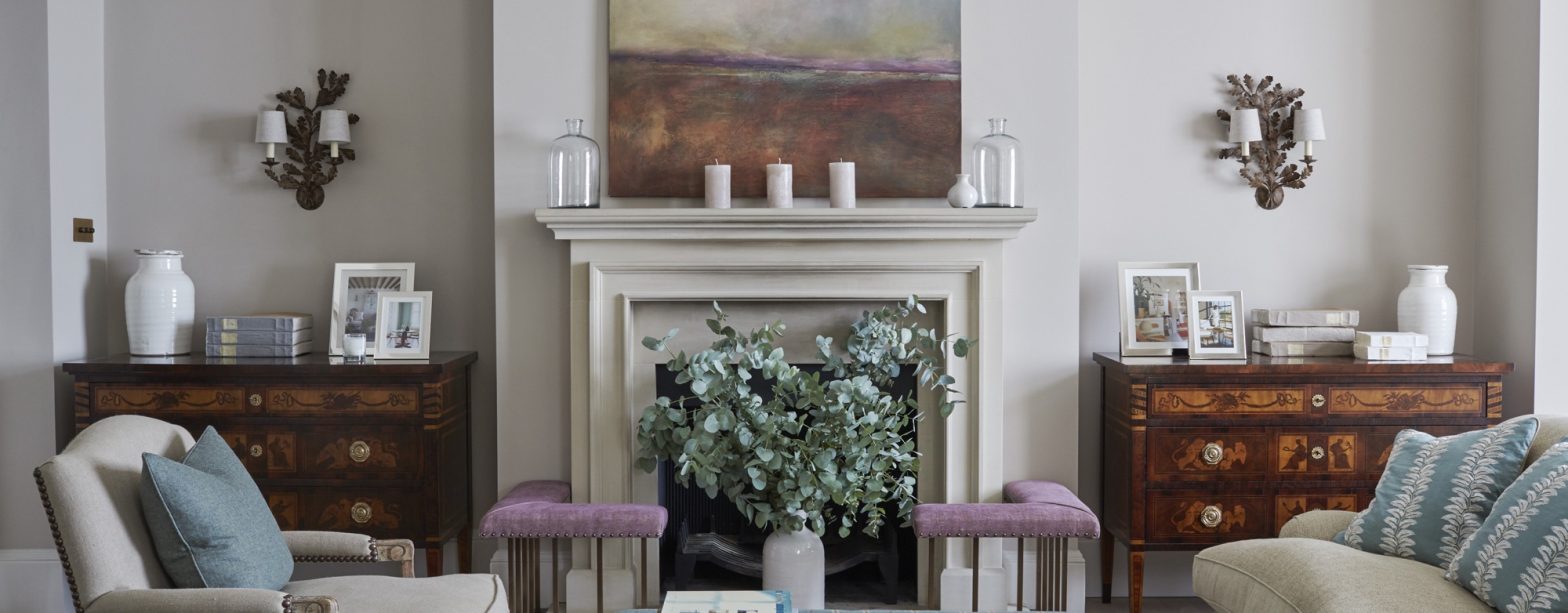
One of the most distinctive qualities of picture rails is their ability to adapt across various interior styles. In traditional homes, they echo period charm, often complementing other decorative elements like dado rails or cornices. In modern interiors, they serve as understated lines of definition, offering a minimalist yet refined touch that enhances the sense of height and openness. This versatility allows designers and homeowners alike to use them as both a functional tool and a decorative statement.
The functional side of picture rails remains as relevant today as it was in earlier centuries. They provide a practical solution for those who enjoy changing their artwork or wall décor frequently. By using hooks and cords, art can be rearranged without the need to hammer nails or drill holes. This makes picture rails especially appealing for gallery-style displays or for households that like to keep their living spaces dynamic. Beyond artwork, they can also be used to display mirrors, plants, or decorative hangings, offering endless creative possibilities.
From a design perspective, picture rails subtly influence the visual balance of a room. When positioned thoughtfully, they can draw the eye upward, making ceilings appear higher and spaces feel more expansive. They can also help break up large wall areas, particularly in rooms with tall ceilings, preventing walls from appearing bare or overwhelming. The line of the rail introduces rhythm and proportion, qualities that often define a well-designed space.
Another noteworthy aspect is how picture rails allow flexibility in interior styling. Unlike fixed wall mounts, they enable experimentation with arrangement, placement, and even seasonal décor. For homeowners who value adaptability, this feature brings both convenience and creative freedom. It supports a lifestyle where interiors evolve along with changing moods, tastes, and occasions.
The subtle beauty of picture rails lies in their ability to merge practicality with design refinement. They are not overly dominant features but instead serve as quiet enhancers of interior spaces. Whether used in period homes to maintain architectural authenticity or in modern settings to introduce subtle structure, they strike a balance between form and function.
Incorporating picture rails into interior design is more than a nod to tradition—it is a thoughtful choice that enriches the character of a room. By offering flexibility, visual harmony, and timeless elegance, picture rails remind us that the smallest details often have the most profound impact on the way we experience a space.