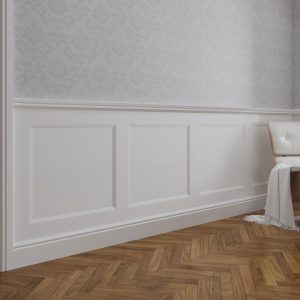
If you’ve spent any time scrolling through home design feeds lately, you’ve likely noticed a major trend taking over walls everywhere: decorative panelling. From elegant wainscoting to modern geometric designs, this classic architectural feature is experiencing a remarkable resurgence. But what exactly is wall panelling, and why has it become such a sought-after element in contemporary home interiors?
This guide will explore the world of wall panelling, explaining what it is, its historical roots, and the many reasons it’s a go-to choice for homeowners and interior designers today. We will look at its practical benefits, its aesthetic power, and how it can completely transform a space from ordinary to extraordinary. By the end, you’ll understand why this trend is more than just a fleeting fashion and how it might be the perfect addition to your own home.
Frequently Asked Questions About Wall Panelling
To understand the rise of this interior design staple, it helps to answer some of the most common questions people have about it.
What Is Wall Panelling?
At its core, wall panelling is a form of decorative wall covering made from rigid or semi-rigid panels. Traditionally crafted from wood, these panels are applied to walls to add texture, dimension, and character. While early forms of panelling served a practical purpose—providing insulation and protecting walls from damage—today’s applications are often just as much about style as they are about function.
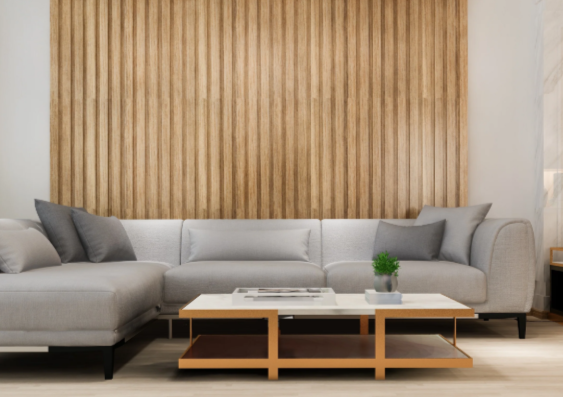
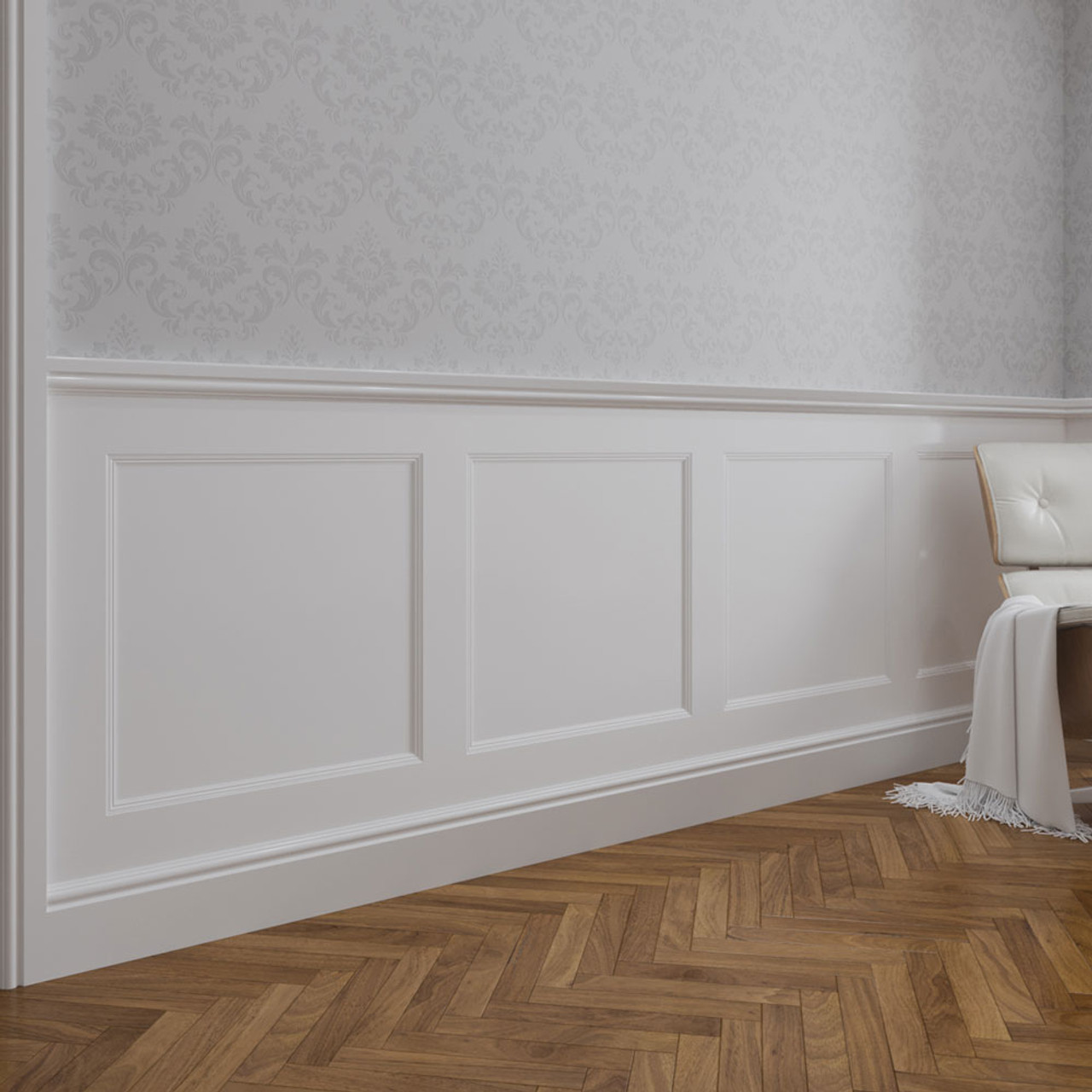
Modern panelling comes in a vast array of materials, including MDF (Medium-Density Fibreboard), PVC, and even upholstered fabrics. The designs range from traditional styles like board and batten, wainscoting, and shaker panels to more contemporary looks featuring geometric patterns, fluted surfaces, and slat walls. This versatility allows panelling to be adapted to virtually any interior design aesthetic, from rustic farmhouse to sleek minimalism. It can cover an entire wall, a lower portion (wainscoting), or be used to create a single, stunning feature wall that acts as a focal point for the room.
Why Is Panelling So Popular Right Now?
The recent surge in wall panelling’s popularity can be attributed to several converging trends. Firstly, there’s a growing desire among homeowners to create spaces with more personality and depth. After years of minimalist, flat-painted walls dominating interior design, people are now seeking ways to add visual interest and a bespoke feel to their homes. Panelling offers a relatively simple yet highly effective way to achieve this, introducing shadows and highlights that change with the light throughout the day.
Secondly, the “do-it-yourself” (DIY) culture, amplified by social media platforms, has made panelling more accessible than ever. Countless tutorials and “before-and-after” videos showcase how homeowners can tackle panelling projects themselves, making it an attainable upgrade for many. Statistics show a significant increase in home renovation projects, with a particular focus on cosmetic enhancements that deliver a big impact for a modest investment. Decorative panelling fits this brief perfectly.
Finally, the trend reflects a broader appreciation for texture and natural materials in design. In an increasingly digital world, there is a collective yearning for tactile surfaces that feel authentic and grounding. Whether it’s the warmth of wood or the clean lines of MDF, panelling provides a sensory experience that plain drywall cannot match.
Is Wall Panelling a Timeless Choice?
While its current popularity is at a peak, wall panelling is far from a fleeting trend. Its history stretches back centuries, having graced the walls of castles, manors, and stately homes for generations. Styles like wainscoting and board and batten have been used since at least the 16th century, proving their enduring appeal.
The key to panelling’s timelessness lies in its adaptability. Classic designs have been reinterpreted for modern sensibilities, ensuring they don’t look dated. For example, traditional shaker-style panels can be painted in a bold, contemporary color to feel fresh and current. Similarly, the simple vertical lines of slat wood panelling can complement both mid-century modern and Scandinavian aesthetics.
By choosing a style and color that aligns with the architectural character of your home, you can ensure your panelling will stand the test of time. Unlike a trendy paint color or wallpaper pattern that might quickly fall out of fashion, the architectural quality of panelling gives it a more permanent and classic feel, adding lasting value to your property.
The Transformative Benefits of Wall Panelling
Beyond its aesthetic appeal, panelling offers a host of practical and stylistic benefits that contribute to its widespread use. These advantages explain why it’s not just a decorative whim but a smart design choice for many homeowners.
It Adds Instant Character and Architectural Detail
One of the most significant benefits of wall panelling is its ability to infuse a room with character. A plain, boxy room can be instantly elevated with the addition of panelling, which introduces architectural detail that might otherwise be lacking, especially in newer homes. This feature can make a space feel more established, sophisticated, and thoughtfully designed. A recent survey of interior designers revealed that over 80% use decorative moulding or panelling to add perceived value and a high-end feel to a project.
For example, floor-to-ceiling board and batten can create a sense of height and grandeur in a living room, while wainscoting in a dining room can lend a traditional, formal elegance. Even a simple feature wall behind a bed can serve as a built-in headboard, grounding the space and creating a luxurious focal point.
It Improves Durability and Protects Walls
Panelling is not just a pretty face; it’s also tough. It acts as a protective barrier for your walls, shielding them from the scuffs, dents, and scratches that are an inevitable part of daily life. This is especially beneficial in high-traffic areas like hallways, entryways, and children’s playrooms. Wainscoting, for instance, was originally designed to protect the lower portion of walls from damage from chairs and boots.
This added layer of durability means less time and money spent on repainting and patching up drywall. For families with young children or pets, panelling can be a practical solution that keeps walls looking fresh and new for years to come. The robust nature of materials like solid wood or MDF makes them far more resilient than a simple coat of paint.
It Conceals Imperfections
Do you have walls that are less than perfect? Perhaps there are cracks, uneven surfaces, or old repair jobs that you’d rather not see. Panelling is an excellent way to conceal these imperfections without needing to undertake costly and messy plastering work. By covering the existing wall, you create a smooth, flawless new surface. This is a popular solution in older homes where walls may have settled over time, leading to surface flaws that are difficult to fix seamlessly. It’s a design trick that solves a practical problem while simultaneously enhancing the room’s aesthetic.
It Can Enhance a Room’s Acoustics
In today’s homes, where open-plan living is common, sound can easily travel, creating a noisy and sometimes echoing environment. Wall panelling can help improve the acoustics of a room by absorbing sound waves rather than letting them bounce off hard, flat surfaces. This is particularly true for wood panelling and upholstered panels. The varied depths and textures of panelling break up sound, reducing echo and creating a quieter, more comfortable atmosphere. This benefit is increasingly recognized, with statistics showing a growing interest in materials that contribute to acoustic comfort in residential spaces. A media room with fluted wood panels or a bedroom with an upholstered feature wall will not only look great but feel more serene and peaceful.
It Offers Incredible Versatility in Design
The sheer variety of styles, materials, and finishes available means that panelling can be tailored to suit any design vision. Whether you’re aiming for a cozy coastal vibe with white-washed shiplap, a sophisticated urban look with dark fluted panels, or a classic country feel with beadboard, there is a panelling option for you.
You can paint it to match your walls for a subtle, textural effect, or use a contrasting color to make it a bold statement piece. The panels themselves can be arranged in countless patterns—horizontal, vertical, diagonal, or geometric—giving you complete creative control. This versatility is a major reason for its popularity, as it allows for a high degree of personalization.